
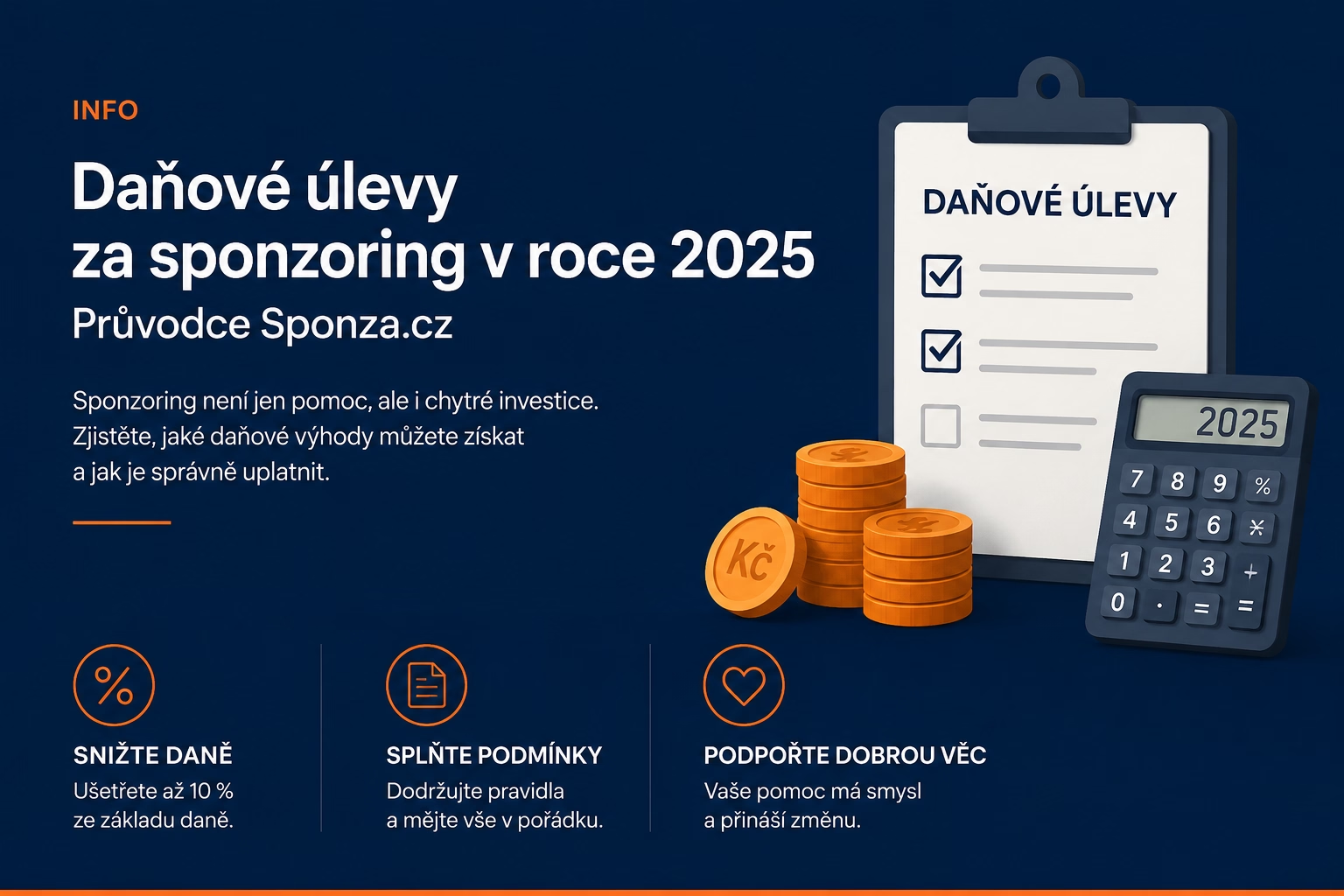
Sponsorship in the Czech Republic is a popular way for companies and individuals to support sports, culture, charity, and meaningful community projects. However, many people confuse sponsorship with a donation, which can mean missing out on valuable tax advantages. Let’s clearly explain how sponsorship tax benefits currently work, what to watch out for, and how a properly structured agreement can help you save money.
Sponsorship vs. Donation: The Key Difference Is Compensation
The foundation of understanding tax benefits lies in distinguishing sponsorship from a donation. While a donation is purely voluntary and without compensation, sponsorship is considered a business relationship where the sponsor receives something in return — typically advertising or promotional visibility.
This seemingly small detail has major tax implications. Sponsorship is generally treated as a tax-deductible business expense, similar to advertising costs. A donation, on the other hand, is not a direct deductible expense, but under certain conditions it can reduce the tax base through deductions.
How Sponsorship Tax Relief Works
- For the Sponsor (Company): A sponsorship contribution is considered a fully tax-deductible expense related to business promotion and maintaining income. If a company provides sponsorship in exchange for advertising services, it may deduct the full amount from its tax base, reducing overall tax liability. In practice, it works similarly to other operational marketing expenses.
- For the Recipient (Sponsored Party): Received sponsorship contributions are considered taxable income. Organizations such as sports clubs or creators must include them in their tax returns. At the same time, related operational expenses may also be deducted, which can significantly reduce the final tax burden.
- Value Added Tax (VAT): Sponsorship contributions may also be subject to VAT under applicable laws. If the recipient is VAT-registered, they may be required to charge VAT, while the sponsor can usually claim VAT deductions if legal conditions are met.
What You Must Not Underestimate
Simply signing a contract and sending money is not enough. Tax authorities carefully examine whether sponsorship is genuine advertising cooperation or merely a hidden donation. If there is insufficient evidence of actual promotional services, authorities may reject the expense and impose additional taxes or penalties.
For smooth tax recognition, it is essential to:
- Have a high-quality written agreement clearly describing the advertising or promotional services provided (for example logo placement, banners, social media mentions, event promotion, etc.).
- Document all promotional outputs — photos, screenshots, event recordings, website visibility, and social media activity. Keep everything archived for possible tax inspections.
- Use reasonable market pricing — the sponsorship amount should correspond to the actual value of the advertising or partnership provided. Excessively high contributions may raise concerns during audits.
Practical Example
Company ABC Ltd. decides to support a local football club. The agreement states that in exchange for a sponsorship contribution of CZK 150,000, the company’s logo will appear on team jerseys, stadium boards, and the club’s website. The company may treat the entire amount as a tax-deductible advertising expense, reducing its overall tax liability accordingly.
What If I Prefer to Donate Instead?
If you do not expect compensation and simply want to support a good cause, the payment is considered a donation. Donations are generally not treated as direct business expenses, but they may still reduce the tax base through charitable deductions.
Under current Czech legislation, favorable deduction limits apply for tax periods between 2022–2026. Donations may be deducted up to 30% of the tax base under specific conditions.
Conditions for donation deductions include:
- The donation must support legally recognized public-benefit purposes such as charity, education, healthcare, ecology, culture, or social assistance.
- Minimum donation thresholds apply depending on whether the donor is an individual or a legal entity.
- The deduction cannot exceed the legal maximum percentage of the tax base.
Final Thoughts: Planning Matters
Sponsorship tax benefits are an effective tool for supporting meaningful projects while optimizing tax obligations. The key to success lies in correctly distinguishing sponsorship from donations and maintaining high-quality contractual documentation.
If you are uncertain, it is always advisable to consult a qualified tax advisor who can help structure everything correctly and avoid unnecessary complications.
Disclaimer: This article is intended for general informational purposes only and does not constitute professional tax advice. Tax laws may change over time, so always consult current legislation and a qualified professional.